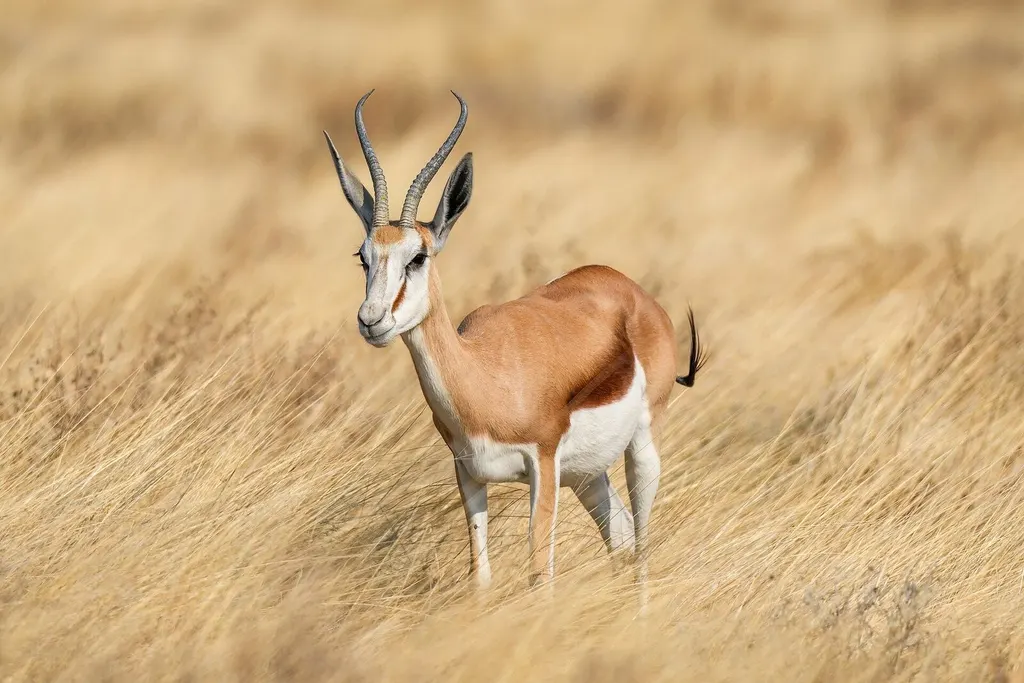
Wildlife near a waterhole in Etosha National Park, Namibia

Season guide

When to travel depends on what should stay with you.

Namibia rewards travellers year-round, but the right month depends on what matters most to you: dense wildlife, dramatic skies, cool desert light, or quiet lodges and softer rates. Here is what each season actually delivers, so your route can be timed around it.

May to October · Dry season

Prime game viewing and clear skies

Namibia’s winter: mild, cloudless days around 20–25°C and cold nights — often near freezing at Etosha and desert camps from June to August, so early game drives need real layers. Almost no rain. As the bush thins, wildlife concentrates at Etosha’s waterholes, making July to October the strongest window for big-game sightings. This is peak season, and the best lodges book out months ahead.

November to April · Green season

Dramatic skies, newborn wildlife, fewer travellers

Namibia’s summer: hot days of 30–35°C inland (hotter at Sossusvlei), with short, theatrical afternoon storms mainly from January to March. The desert greens, canyons run, and the light turns spectacular for photography. Game disperses from Etosha’s waterholes, but this is calving and birding season — newborn animals from January and migratory birds in full colour. Quieter parks and softer lodge rates.

June to August · Peak winter

Desert clarity and the year’s crispest light

The clearest air and coldest nights of the year. Sossusvlei and Deadvlei mornings can start near 0°C before warming to comfortable afternoons — ideal for dune climbs and long drives without heat, and unmatched for photography. Book early: these months overlap peak season and the most sought-after suites go first.

Shoulder · April–May, Sept–Oct

The value windows worth timing

The transitions reward flexible travellers. April and May bring fresh green landscapes as the rains fade, mild temperatures, and thinning crowds. September and October are hot and very dry but deliver the year’s most intense waterhole activity just before the rains return. Excellent conditions and better value when matched to the right region.

The coast · Year-round

Cool Atlantic contrast

Swakopmund, Walvis Bay and the Skeleton Coast stay cool all year — roughly 15–20°C under the cold Benguela current — with morning fog and afternoon wind rather than heat, and a welcome relief from summer inland temperatures. Sandwich Harbour, catamaran cruises, kayaking with seals and scenic flights time best to calm, clear mornings.

Special occasions

Plan early to protect privacy and choice

Honeymoons, proposals and milestone journeys depend on securing the right lodge and the right private moments. The most requested desert and coast properties release limited suites and fill six to twelve months ahead, especially for peak season (July–October) and the festive period. Early planning protects both availability and discretion.

Timed around you

Tell us what should stay with you, and we’ll shape the season around it.

Begin a Private Brief