
Photography
Photographing Sossusvlei and Deadvlei
The scale, colour and clarity of the Namib reward a camera like nowhere else. Getting the shot comes down to timing and access.
Namora journal · 27 July 2026
Few places reward a camera like the Namib. The scale, the colour, and the clarity of the desert light make Sossusvlei and its ghostly neighbour Deadvlei two of the most photographed — and most misunderstood — landscapes in Africa. Getting the images you’re picturing comes down to timing and access.
Be inside the gate at first light
The park gates open at sunrise, and the first hour is everything. Guests staying inside the park boundary get a head start on those coming from outside, which matters when you want the low, raking light on Dune 45 or the long shadows climbing Big Daddy before the crowds and the heat arrive. We build itineraries around that head start.
Deadvlei is a mid-morning subject
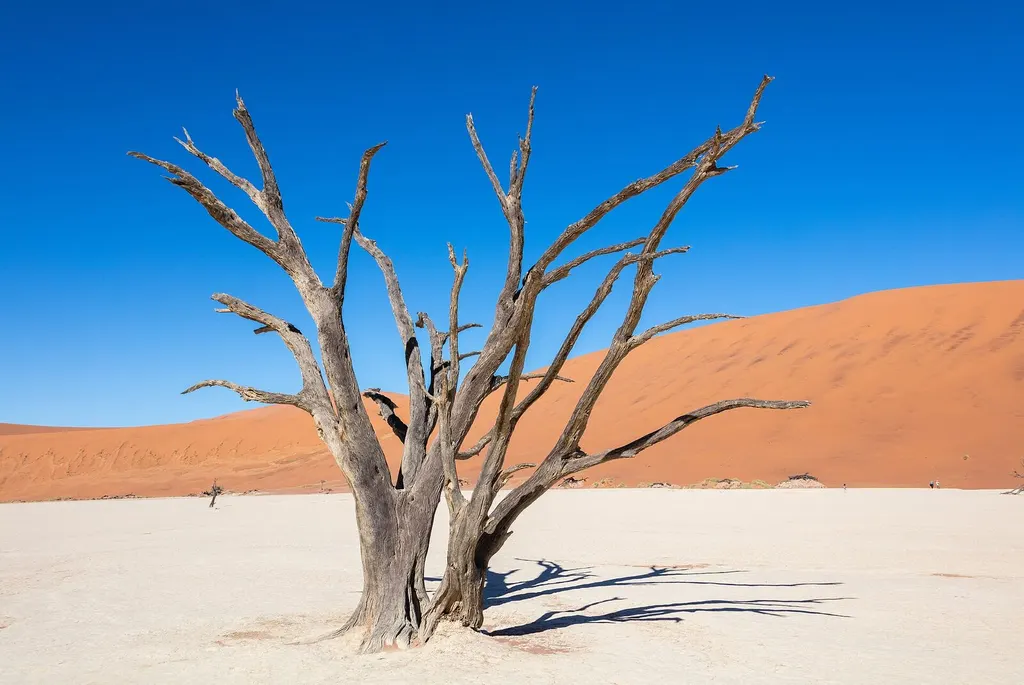
Counter-intuitively, the iconic shot of Deadvlei’s black camel-thorn trees against the white pan and orange dunes often works best a little later in the morning, when the sun lifts high enough to light the dune face behind the trees while the pan stays pale. The contrast — dark trees, white clay, red sand, blue sky — is the whole picture.
Season and gear
The clearest, crispest air comes in the cooler winter months of June to August, though it means cold pre-dawn starts. Bring a wide lens for the scale and a longer one to compress dunes and isolate lone trees; a polariser deepens the sky. Sensor dust is a real risk in blowing sand — change lenses sparingly.
Access, arranged
The difference between a good Sossusvlei morning and a great one is usually logistics: where you sleep, when you leave, and having a 4x4 for the last sandy stretch to the pans. That’s the part we handle, so you’re in position when the light is.
Ready when you are